
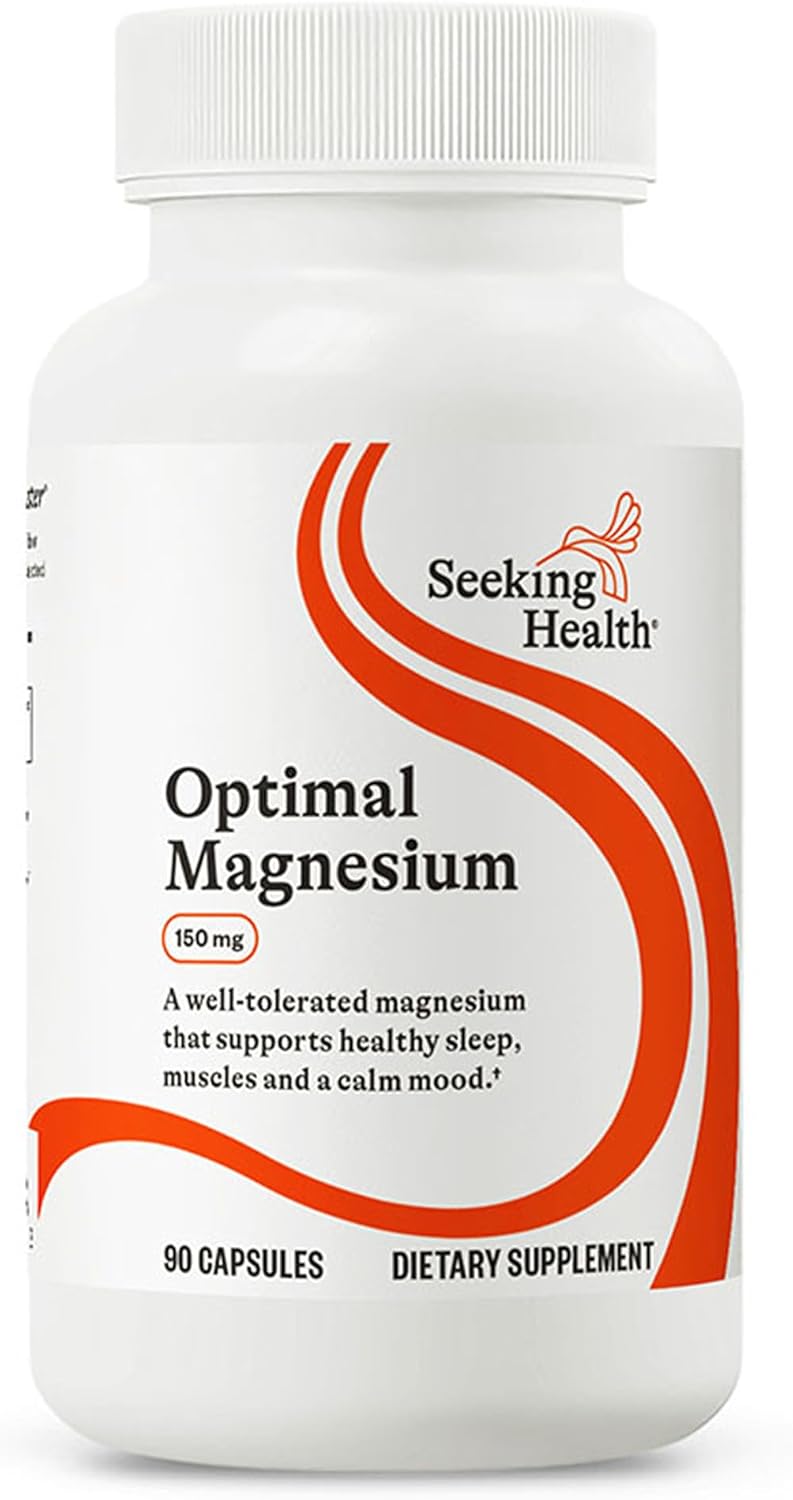




SeekingHealth Optimal Magnesium
- Lysinate-glycinate and malate forms of magnesium for optimal bioavailability
- Supports GI comfort, relaxation and natural energy production
- Supports healthy sleep, mood, nerves and muscles
Who Needs Optimal Magnesium
Do you need to supplement with magnesium? Over half of the population is thought not to get enough of this essential mineral — and not all magnesium supplements are created equal. Many forms are poorly absorbed and can cause gastrointestinal (GI) upset.†
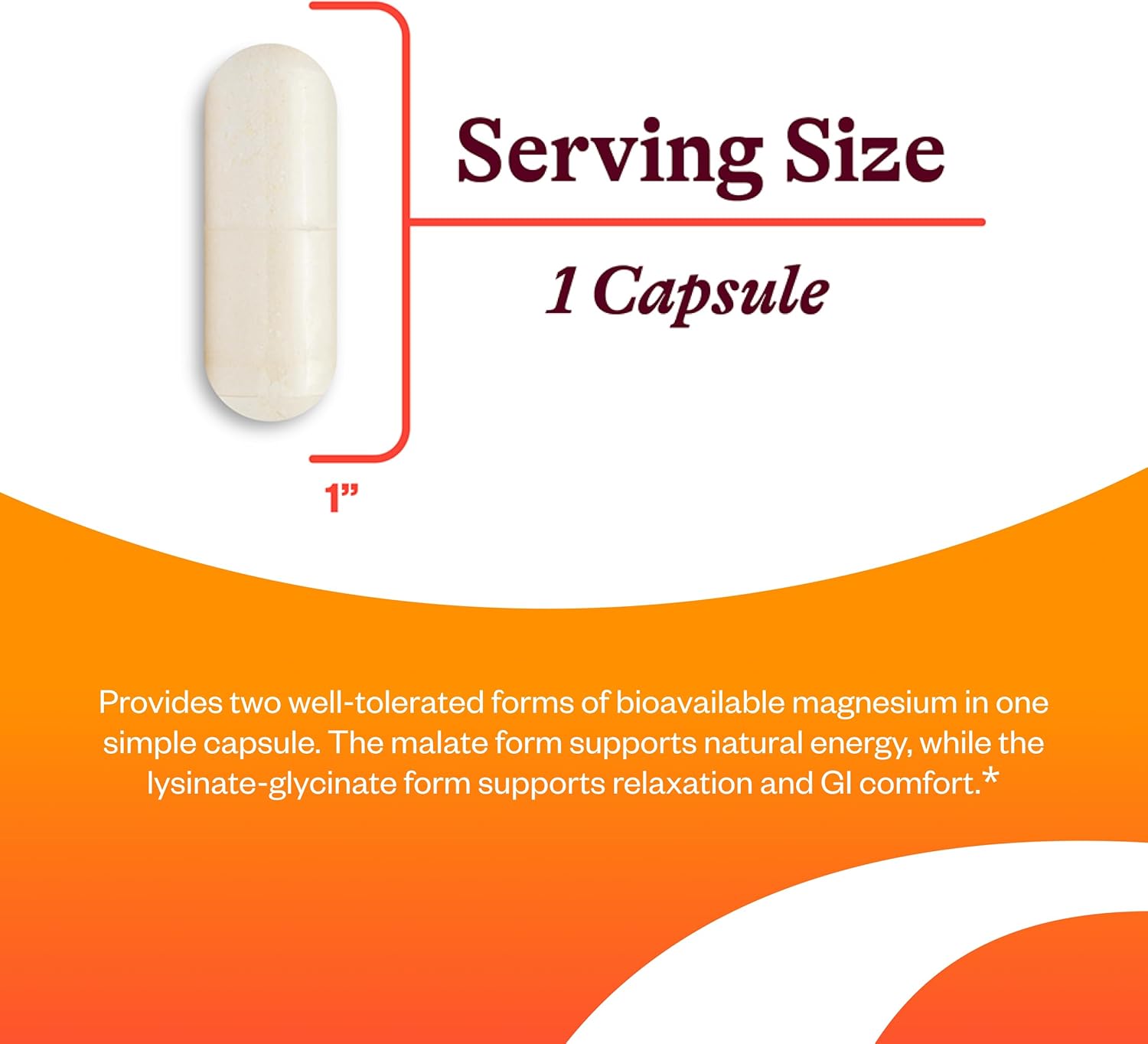
Optimal Magnesium provides two well-tolerated forms of bioavailable magnesium in one simple capsule. The malate form supports natural energy, while the lysinate-glycinate form supports relaxation and GI comfort.†
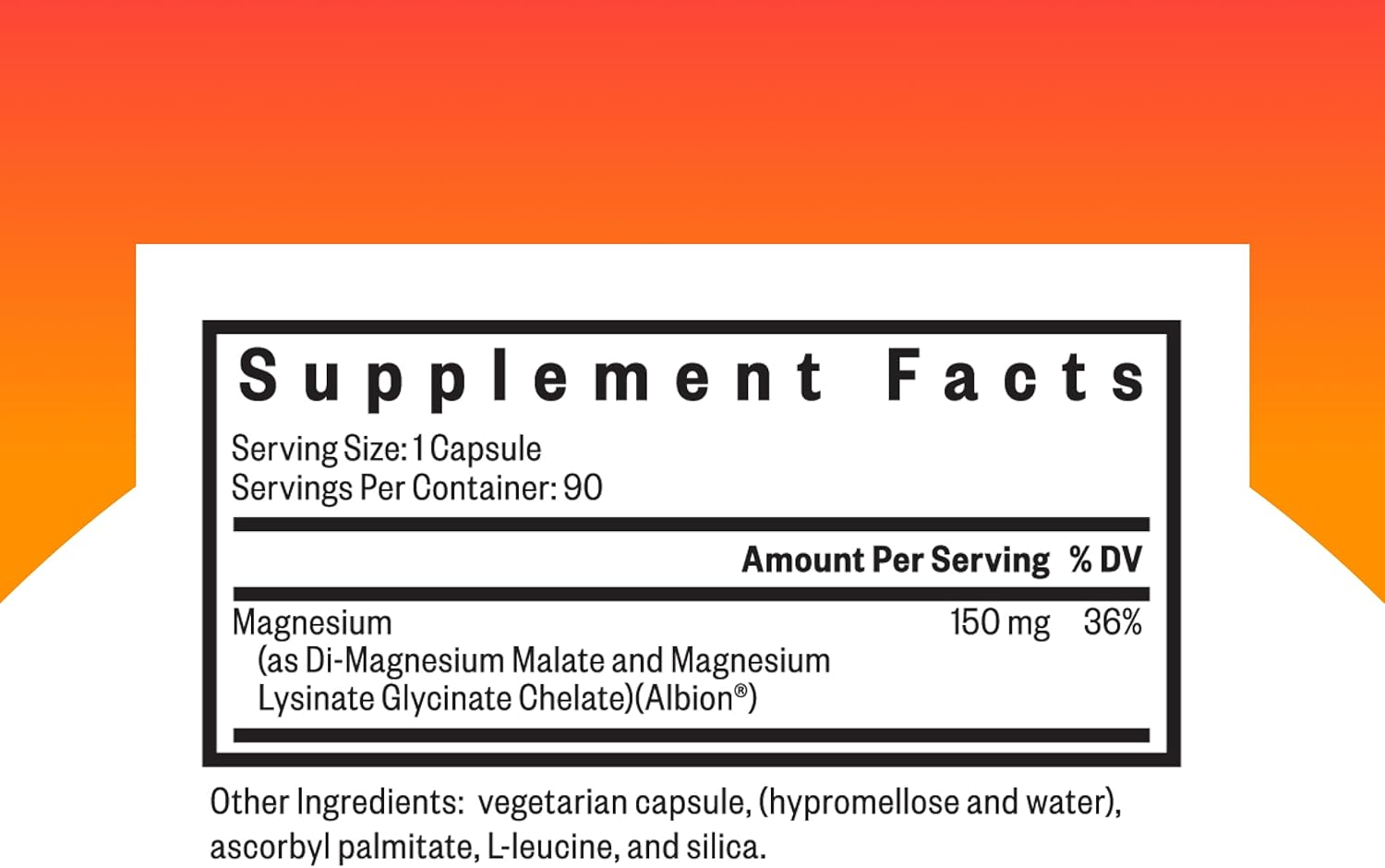
Each serving provides 150 mg of magnesium as magnesium lysinate-glycinate chelate and dimagnesium malate — more commonly known as the 'lysinate-glycinate' and 'malate' forms. Compared with magnesium citrate, oxide, chloride, lactate and sulfate, these forms are better absorbed and less likely to cause GI upset or loose bowels.†
Binding magnesium to the amino acids lysine and glycine supports optimal absorption, GI comfort and amino acid support for normal tissue repair. Glycine also acts as a neurotransmitter in the brain that supports relaxation and a healthy stress response, and lysine plays a key role in building the collagen that holds your tissues together.†
Binding magnesium to malate (malic acid) supports magnesium's absorption into cells. Malate is an important compound in the Krebs cycle used for energy production, making magnesium malate an excellent option for athletes or anyone seeking physical performance support.†
While magnesium supports healthy energy levels, it also supports relaxation: by moderating NMDA receptor activity in the brain, magnesium supports a calm mood and focus.†
Magnesium plays a role in hundreds of enzymatic processes in the body. Found in your bones and muscles, it's essential for healthy nervous system function, bone strength and muscle relaxation. Serum magnesium tests don't accurately reflect magnesium status, because most magnesium is found inside cells rather than in the serum.†
Low magnesium intake is associated with muscle cramps and twitching, fatigue, irregular bowel movements, racing thoughts and poor sleep quality.†
Optimal Magnesium supports healthy:†
- Magnesium levels and absorption
- GI and stomach comfort
- Energy production
- Muscle function and relaxation
- Bone health and density
- Sleep and mood
- Hormone balance
- Immune system function
- Heart health
- Gene regulation and maintenance
- Protein formation
Key Ingredients In Optimal Magnesium
- Dimagnesium Malate: a well-tolerated, highly absorbable form of magnesium bound to malic acid, a Krebs-cycle compound that supports energy production.†
- Magnesium Lysinate Glycinate Chelate: magnesium bound to glycine and lysine supports optimal absorption and utilisation, relaxation and feelings of calm. This well-absorbed form supports normal tissue formation and may be less likely to produce laxative effects or GI upset.†
Why Optimal Magnesium Works
What do your hormones, bones, mood and muscles have in common? They all need the essential mineral magnesium to function.†
Magnesium is a cofactor for hundreds of enzymatic processes. It stabilises ATP so it can be used as an energy source, helping to regulate protein synthesis, muscle and nerve function and much more. By moderating calcium influx and smooth-muscle contraction, it supports muscle relaxation. Magnesium is important for glycolysis, oxidative phosphorylation and energy production, supports healthy bone structure, and is needed to make DNA, RNA and glutathione.†
Research indicates that dietary magnesium in food is declining; some estimate that up to 75 percent of adults do not meet the recommended intake of 400 mg per day. Magnesium is also lost through increased urination, diarrhoea, alcohol use and certain medications, including some long-term acid-reducing medications. Magnesium needs adequate stomach acid to be absorbed.
Magnesium lysinate-glycinate is a well-tolerated form of magnesium bound to glycine (the most basic amino acid) and lysine (essential for collagen formation). Attaching magnesium to these amino acids greatly increases absorption. Unabsorbed magnesium draws water into the intestines, which causes the cramping, loose stools and discomfort associated with some magnesium supplements — so this form is a great choice for sensitive stomachs, and for anyone seeking the calming benefits of glycine.†
Magnesium malate offers superior absorption and energy-production support. Malic acid is used in the Krebs cycle to produce energy (ATP), supporting healthy exercise performance and muscle recovery, and magnesium itself holds ATP stable in over 300 enzyme reactions.†
It may seem counterintuitive that magnesium supports both energy and calm. Much of its calming role comes from the NMDA receptor in the brain: by moderating NMDA stimulation, magnesium supports a calm mood and focus.†
If you're looking for one of the best magnesium supplements on the market, look no further than Optimal Magnesium by Seeking Health. For a standalone magnesium glycinate, consider Magnesium Glycinate Powder; for standalone magnesium malate, try Magnesium Malate Chewable or Magnesium Malate Powder.†
While the online sphere is replete with health stores, Health Synergy stands as a beacon of quality and sophistication. We pride ourselves on marrying ancient holistic traditions with cutting-edge scientific research. This harmonious blend ensures that our customers access products that are both timeless in efficacy and revolutionary in formulation. You can contact us directly should you have any questions, click here.
Should you inadvertently order the wrong item, Health Synergy gladly offers an exchange within 14 days of purchase, provided the product remains unopened and in its original condition. While we waive any restocking fees in such instances, customers will bear the return shipping costs and the shipping charges for the replacement item.
Choose options